Category: Book Reviews

  • Reviewed, 18 June 2022
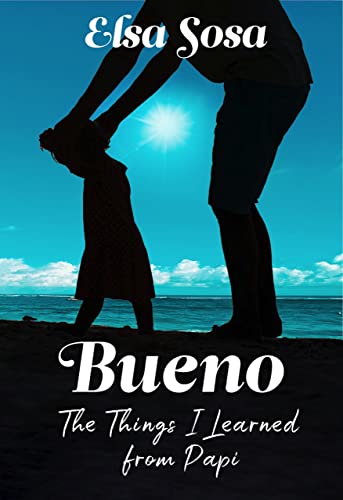
    Bueno: (The Things I Learned from Papi) is a treasure of family lore. The entwining threads of bloodlines and marriages, successes, and losses shape the story of each member. Bueno gathers what it can of the rich Sosa history into a volume, preserving it for future generations. In it, Elsa Sosa explains what she knows of her father’s life and legacy, pulling together tales of family and childhood in the Dominican Republic.

    Accompanied by family snapshots, Sosa’s memoir imparts her feeling for the island way of life. She gives airport and shopping advice alongside a basic geography of the island and highlights for tourists. She makes her own memories of homelier stuff. Far from resorts and nightclubs are the rural places and far-flung beaches where the author and her eight siblings spent their childhood. She remembers homemade toys, outdoor games, and cooling off under a waterfall on scorching afternoons. When she returns as an adult, she seeks local vendors, secluded getaways, and authentic tostones. Under the mango tree, Papi sits smoking cigarettes and chatting to pretty women.

    Bueno, though it records Sosa family memories, is more a love letter to a departed father. In it, Sosa longs to sort through the past and cement her connection to her immense extended family. Life lessons are hard to discern, unclear until late in the book. Sosa attributes only one piece of wisdom directly to Papi; “He taught us not to spend our lives with regrets, grudges, and to let people live their lives.”
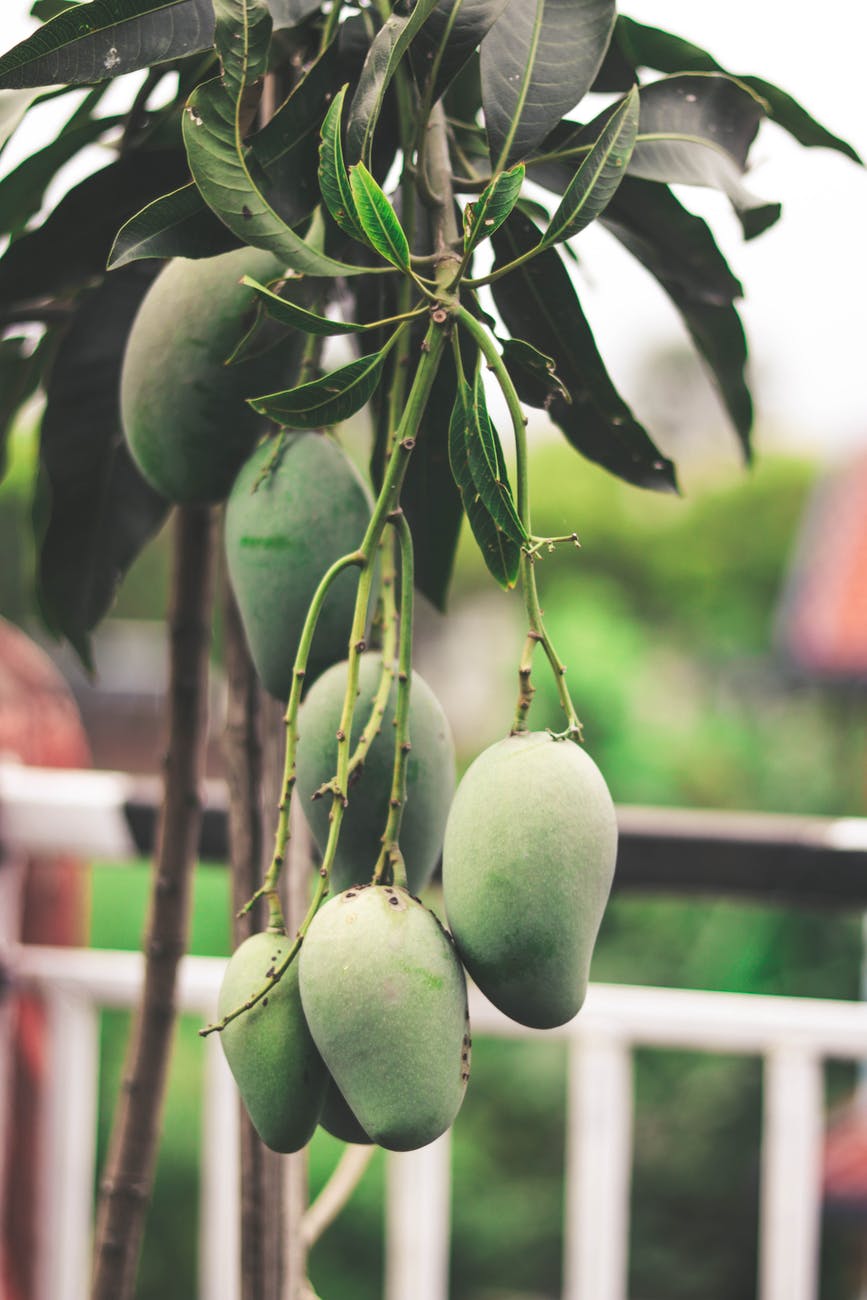
    Photo by Drift Shutterbug on Pexels.com

    While Sosa explains how she struggles to live up to Papi’s ideal, she comforts herself, knowing she and her siblings doted on their parents in old age. She wrestles with her father’s stoicism, her mother’s domineering, and familial links more complex and fragile than she realized. With gaps in the story, questions left unasked, names forgotten, and connections unraveled, many dimensions of her adored Papi (and Mami), Elsa Sosa will never know.

    There is rich material in Bueno, though it’s hard to dig out. The author’s stream of consciousness brings us through flashbacks and flash-forwards so often that Sosa, herself, loses track of her trajectory. Sometimes we hear the same advice twice. Other times, forgotten details leave holes in the stories that make them difficult to interpret. While Sosa can tell us virtually nothing of her parents’ early lives and even less of their ancestors, we hear travel directions and culinary recommendations multiple times. She observes near the end of Bueno that she is a keen photographer, recording memories throughout her life with a camera, not in writing. Like photography, memoir writing is a refined art requiring many years to master.

    Thanks to Reedsy Discovery for an Advance Reader’s Copy of this title. Bueno (The Things I Learned from Papi) launches on 15 July 2022.


    Follow Jennifer Frost Writes on WordPress.com

  • By Jonathan Escoffery

    Reviewed, 7 June 2022

    Escoffery’s new collection of short stories fit together as neatly as a novel. “In Flux,” the collection’s opening piece gives the author’s answer to the peculiarly American question, “What are you?” As a nation obsessed with lineage, we’ve all considered mail-order DNA kits and websites promising to reveal our connections to royalty. We’re familiar with playground questions about ancestry. When Escoffery’s character, Trelawny, faces blunt identity questions, he examines that overwhelming American trait, assimilation.

    These eight stories combine to form a picture of a Jamaican family in transition. As they gain a foothold in Florida, the needs of extended family and wishes to return to simpler times pull them back to their roots. Between biting winters at a northern university and sunny Jamaican beaches, the youngest son, Trelawny, finds an uncomfortable middle ground in his hometown, Miami. But misfortune hounds the family. Hurricanes, unpredictable income, and secrets from the past batter them as they struggle to stay connected. Underneath it lies a cracked foundation, a cherished house sinking.

    It’s hard to avoid phrases like, “powerhouse short stories,” and “dazzling debut.” Each story enlightens the rest, making the collection a perfect balance of tenderness and grit, hope, and despair. Escoffery’s dark humor rings throughout, hip and down-to-earth. Defiant in the face of adversity, Trelawny wills himself through hard times. Even in despair, the faded American dream calls. There must still be a way to realize it. If there isn’t, he’ll make one.

    Thanks to Net Galley for an Advance Reader’s Copy of this title. If I Survive You launches, September 2022.

    Follow Jennifer Frost Writes on WordPress.com

  • By Donovan Moore

    Reviewed, 20 May 2022

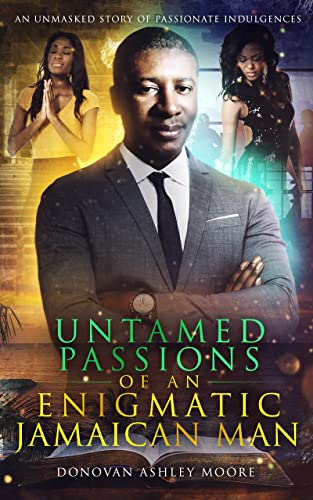
    Donovan Moore is certainly an enigma. He presents his thoughts out of sequence, arranged more by importance than chronology. He is possessed first by one facet of his life, then the next, but the threads tying it together hide between the lines. Explicitly sexual and searingly graphic, Moore isn’t shy with the juicy details. Not so with matters of the heart. He withholds recollections of childhood and close friendships. On an endless quest for a love that satisfies the soul, he admits himself a philandering husband doomed to the sadness of repeated losses.

    Jamaica is more complicated than Montego Bay’s squeaky-clean resorts and beaches. Moore’s horror stories of rampant crime, police brutality, and murder contradict the island’s good-time, ganja smoking reputation. A history of racist colonialism, Christian moralizing, and income disparity infuriates Moore. His anger fuels discord at church and at work. A string of affairs with gullible women leads him not to love and fulfillment, but to repeated disappointment. When he moves his teenage lover into his marital home, we know it can’t end well. Yet the girl’s brutal murder is a terrible shock. And Moore, desensitized to the violence and ducking police suspicion, cannot even grieve.

    The island’s ingrained

    violence, misogyny,

    and homophobia will

    trouble readers unfam-

    iliar with post-colonial

    politics and African-

    Caribbean culture

    Moore intends to leave us with an enigma. He engages readers with the memoir of an educated, unassuming Jamaican man, ending with a sly refusal to tie up the loose ends. Instead, he promises his future books will fill in the gaps. But as he loses his moral compass, the island’s ingrained violence, misogyny, and homophobia will trouble readers unfamiliar with post-colonial politics and African-Caribbean culture. It’s hard to read the outdated terms ‘third world country’ and ‘mulatto’ in 2022. The influence of Jamaican patois crossed with Moore’s MBA business-speak holds us at a distinct emotional distance. If we are dedicated to equality for marginalized people, authentic voices are crucial reading. Though Untamed Passions is disquieting, it adds insight to the mountains left to climb.

    Thank you to Reedsy Discovery for an Advance Readers Copy of this title. Untamed Passions of an Enigmatic Jamaican Man launches 1 June 2022.

    This review appeared first on Reedsy.com

    Follow Jennifer Frost Writes on WordPress.com

  • By Munashe Kaseke

    Reviewed, 13 May 2022

    With her superb collection of short stories, Munashe Kaseke leaves a lasting impression. Topical and insightful, Send Her Back and Other Stories attacks race and gender stereotypes with grace and resonance. Bound to top lists of recommended diversity reads, we’re mistaken if we think Send Her Back is for an exclusive audience. In its hard-hitting stories, Kaseke creates glimpses of her protagonists’ secret lives. In her Author’s Note, she tells us she hopes we “feel seen” in her work. She is reaching out through stories of love and optimism; her only mission is to connect.

    These pages barely contain their characters. They hold strong Zimbabwean women, led by their education to every corner of the United States. Whether they are braving northern blizzards or stuffy boardrooms, they survive on their determination and quick wits. New immigrants and first-generation Americans bring life into focus. Through their eyes, we see ourselves again for the first time.

    Photo by Jackson David on Pexels.com

    If microaggressions are hard for Americans to identify, Send Her Back gives an accessible look into the mechanics. Kaseke’s stories point out foibles, pitfalls, and thoughtlessness for what it is, while giving due credit to Civil Rights Era achievements. Her Zimbabwean characters earn PhDs, rise to the top of their fields, and outsmart their rivals. Others support themselves with vigorous studies and endless work, wiring their small paychecks to far-away families who always need more. But these fierce spirits rarely break in the fight. Kaseke gives us heroes who change our hearts, entreating everyone to act with respect and care.

    In the fracas of Twitter politics, hearing any voice clearly is a challenge. Trading on emotionalism and indignation, the news circuit perpetuates itself, drowning out many who have important stories to tell. Kaseke is among the authors and thinkers of our time who bring clarity. Her lead characters show us what the media misses, even when it seeks own voices. With stories that see so much in so many of us, Send Her Back holds its own against the noise.

    Thanks to NetGalley for an Advance Readers Copy of this title. Send Her Back and Other Stories launches 25 July 2022. Read it, share it, post on social media.

    This review appeared first on NetGalley.

    Follow Jennifer Frost Writes on WordPress.com

  • By Olafur Gundnason

    Release date, 3 June 2022

    Photo by Benjamin Suter on Pexels.com

    Icelandic literary tradition stretches back a thousand years and more. Its sagas of love, loss, and endurance are a unique contribution to the world’s literary heritage. They contain myths and legends, family histories and genealogies. Gudnason’s memoir echoes these ancient forms, building his lost wife, Engilbjort’s modern legend. Iceland’s current writers and artists record present-day sagas of triumph and tragedy with lyrics and lines of poetry aimed straight at the heart. The author draws on these as he shares his love story.

    In the Marble Maze stays grounded through painful moments, bringing us inside Intensive Care units, guest houses, and the empty home to which the author returns without his beloved Engilbjort. Descriptions of complicated treatments and emergency surgeries don’t make for light reading, but Gudnason makes us members of Engilbjort’s circle. We are among those pulling for her as she fights for her life. The Facebook chat messages which could become myopic and exclusive are, instead, a warm way to touch our hearts in shared human grief.

    “I don’t recall

    experiencing denial

    or anger, nor having

    attempted to bargain

    my way out of

    my loss,”

    Olafur Gudnason

    Gudnason wants to remember. Counselling and books on living with grief are a comfort, but he is honest when the advice doesn’t resonate. “I don’t recall experiencing denial or anger, nor having attempted to bargain my way out of my loss,” he writes in response to the five stages of grief: denial, anger, bargaining, depression, and acceptance. Yet, in optimistic Facebook posts, he denies that a stopped heart is the end of the line. Each risky surgery and private prayer for Engilbjort’s survival is a bargaining. The botched arrangements for the return of her remains provoke an anger Gudnason knows is out of character. As a grieving husband, he faces the sadness and acceptance of laying a loved one to rest.

    In the Marble Maze is one of many memorials Gudnason creates for Engilbjort. As he sorts through relics, photos, and clothing, he takes time to remember. With songs and poetry from Iceland and around the world, he tells their story. He emphasizes family and community while giving it the gravity and timelessness of the greatest ancient sagas.

    Thank you to Reedsy Discovery for an Advance Reader’s Copy of this title. In the Marble Maze launches on 3 June 2022. This review appeared first on Reedsy.com.

    Follow Jennifer Frost Writes on WordPress.com